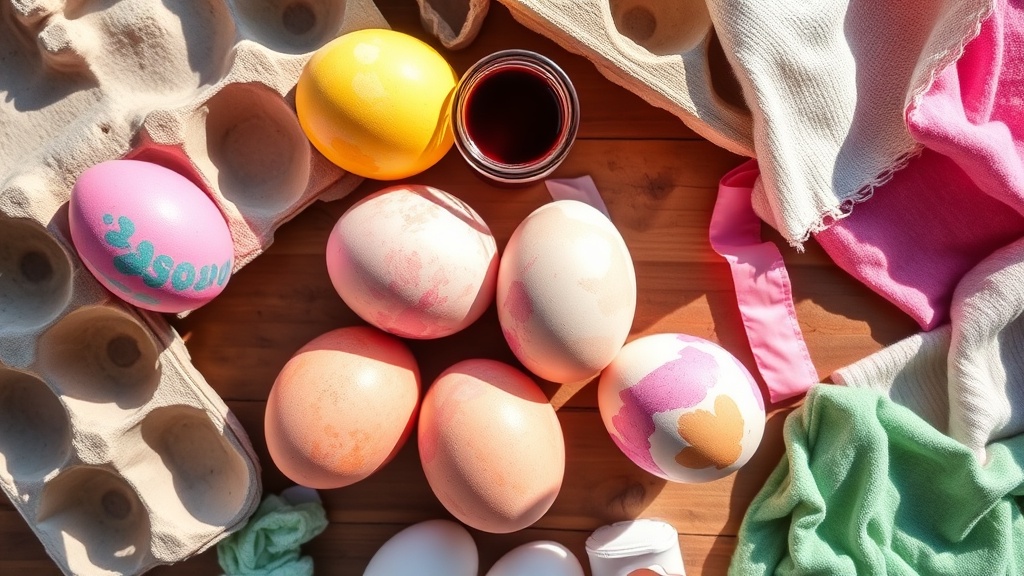
Easter Egg Decorating 2026: Sustainable, Creative Holiday Ideas

Hook: Ready to make your Easter eggs sparkle without adding to landfill? This year’s trends prove you can get gorgeous, Instagram‑worthy eggs using only what’s already in your kitchen and pantry. I’ve tested these eco‑friendly tricks and saved both money and waste – let’s hop into the details.
Context: Easter lands in just three weeks, and every store is already pushing glittery kits that end up in the trash. As a household CFO, I’m always hunting for ways to stretch the budget while staying true to the season’s renewal vibe. Sustainable egg decorating hits that sweet spot: it’s fun, festive, and perfect for families looking to reduce their environmental footprint.
What are the top sustainable egg decorating trends for 2026?
2026 is all about turning everyday items into art. Think natural cleaners that double as dye bases, upcycled cardboard egg cartons as decorative trays, and zero‑waste packaging that lets you store finished eggs without extra plastic. The biggest shift is moving from single‑use glitter to reusable, biodegradable embellishments.
How can I make natural dyes at home?
Natural dyes are cheap, safe, and surprisingly vibrant. Here’s my go‑to list:
- Beetroot – yields a deep pink/red. Simmer chopped beets in water (1 cup beet to 2 cups water) for 15 minutes, strain, and add a splash of vinegar.
- Turmeric – bright yellow. Boil 1 tsp turmeric in 2 cups water, strain, and add vinegar.
- Red cabbage – offers blues and purples. Chop cabbage, simmer, then add a pinch of baking soda for a purple hue.
- Spinach – soft green. Blend fresh leaves with water, strain, and mix with vinegar.
These recipes are all budget‑friendly and use ingredients you likely already have.
Which upcycled materials make great egg embellishments?
Look around your kitchen for hidden treasures:
- Cardboard egg cartons – cut into shapes (stars, hearts) and glue onto eggs for a 3‑D effect.
- Fabric scraps – wrap small pieces around the egg like a scarf; secure with a dab of glue.
- Old newspaper or comic strips – decoupage for a vintage vibe.
- Reusable silicone molds – press into soft‑boiled eggs for patterned textures.
These ideas echo the egg‑price focus of 2026, proving you don’t need pricey kits to look impressive.
Where can I find zero‑waste packaging for my eggs?
After decorating, store your creations in reusable containers. I recommend:
- Glass mason jars with a lid – safe for refrigeration.
- Beeswax wraps – wrap each egg individually to keep them fresh.
- Reusable silicone egg trays – perfect for transport to Easter brunches.
All of these options keep your kitchen waste under control and look polished on the table.
What are quick tips to keep the eggs safe and mess‑free?
- Use hard‑boiled eggs for durability; they hold up better to handling and dye.
- Dry eggs on a wire rack after dyeing to prevent drips.
- Apply a thin coat of food‑grade oil to seal the surface and add shine.
- Label your finished eggs with a date if you plan to store them for more than three days.
Takeaway
Eco‑friendly egg decorating this Easter is all about repurposing what you already have, using natural dyes, and choosing reusable storage. You’ll save money, reduce waste, and still wow your guests with vibrant, one‑of‑a‑kind creations. Grab a pot, a few kitchen staples, and let the spring creativity flow – your eggs (and the planet) will thank you.