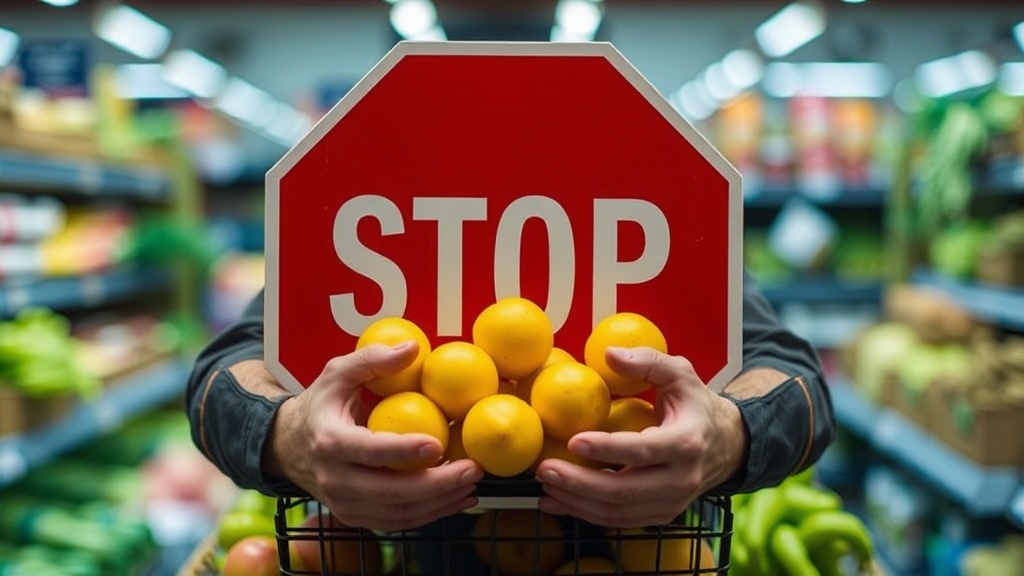
Stop Buying Spoilable Produce Too Early

Quick Tip
Always buy produce that is slightly underripe if you don't plan to eat it within two days.
The Hidden Cost of the Overripe Produce Bin
A container of organic strawberries sits at the bottom of your refrigerator, coated in a thin layer of white mold. You bought them three days ago because they were on sale at Kroger, but now they are completely inedible. This is a failed ROI. When you buy produce based solely on the low price-per-pound without calculating the "shelf-life window," you aren't saving money—you are pre-paying for your trash.
To shop like a forensic accountant, you must treat perishables as high-risk assets. If you purchase produce that is too close to its expiration or too ripe, your effective cost per meal skyrockets because the usable yield drops to zero. To avoid this, you need to implement a strict procurement strategy based on the intended consumption date.
The Ripeness-to-Consumption Ratio
Stop treating the produce aisle like a grab-and-go buffet. Instead, audit the physical state of the item against your meal plan. Use these three rules to ensure your "deals" actually make it to the plate:
- The Avocado/Stone Fruit Rule: If you are making guacamole on Thursday, do not buy avocados on Monday that are already yielding to pressure. Buy them rock-hard. If you see a "manager's special" on ripe peaches, only buy them if you plan to bake with them within 24 hours.
- The Leafy Green Audit: Check the bottom of the plastic clamshells for moisture. If there is even a hint of liquid or condensation in a container of pre-washed spinach from Whole Foods, the biological decay has already begun. That moisture will accelerate rot in your crisper drawer.
- The Berry Benchmark: Berries are the highest-risk grocery asset. If the berries look slightly dull or have bruised stems, they will not survive a three-day transit in your fridge. Only buy berries that are firm and dry.
Calculate the True Cost
A bag of spinach at $2.99 is a bad deal if you throw away half of it due to sliminess. Before you hit the checkout, ask: "Do I have a specific recipe for this, and do I have the capacity to use it before it expires?" If the answer is "maybe," skip the item. You can often find better deals on fresh produce by timing your trips to when high-quality, firm stock is rotated in, rather than chasing the bottom-dollar price on aging inventory.
Pro Tip: If you do buy produce that is nearing its end, immediately process it. Chop your bell peppers and store them in glass containers, or freeze your overripe bananas for smoothies. This converts a potential loss into a functional ingredient.