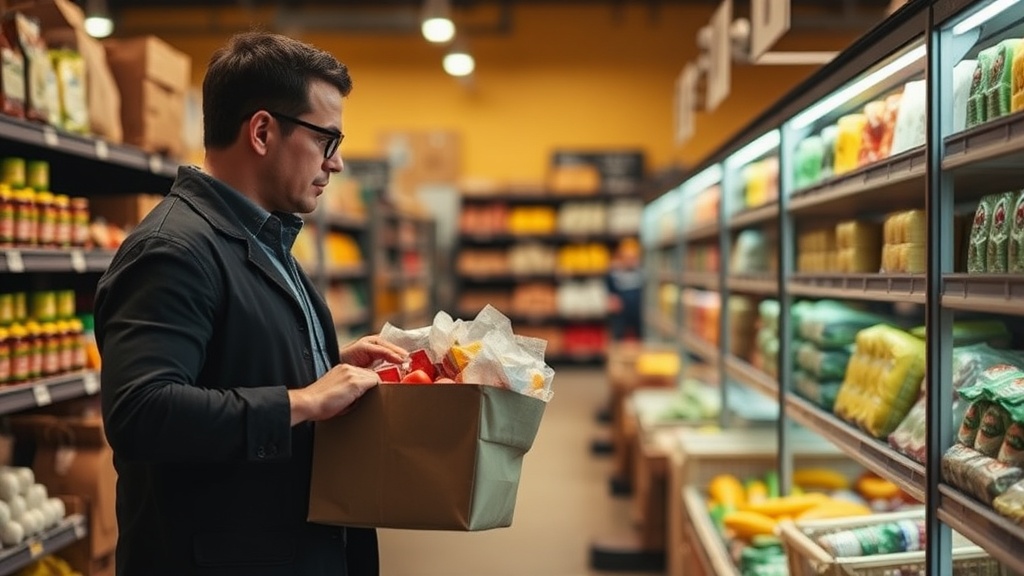
The Hidden Math of Long-Term Grocery Savings: Stockpile Smarter

Does a 'buy one, get one free' deal always mean real savings?
Many of us assume bigger means better value at the grocery store. But true, long-term grocery savings go beyond simple sticker price comparisons. This quick guide will walk you through the financial calculations behind strategic stockpiling, helping you make purchase decisions that truly benefit your household budget—not just momentarily, but over weeks and months.
When does buying more actually save you money?
The allure of a low price per unit on a massive package is strong, yet it doesn't automatically translate to financial gain. Before you toss that bulk item into your cart, ask yourself: Is this an item my family uses consistently and entirely before it spoils? For non-perishables like pasta, canned goods, or household paper products, buying at a deep discount—your personal 'stock-up price'—is often a wise move. This is the sweet spot where the cost savings outweigh the capital tied up and storage considerations. Conversely, a huge container of a specialty sauce that might sit in your pantry for months, or fresh produce you can't consume quickly, turns into an expense rather than a saving due to eventual waste. The key is understanding your household's actual consumption rate and aligning it with sales cycles.
How do storage and spoilage impact my grocery budget?
Think of your pantry and freezer as an investment portfolio. If you fill it with items that go bad before you use them, you're looking at a depreciation—or worse, a complete write-off. Food waste isn't just an inconvenience; it's a direct hit to your grocery budget. The USDA estimates that a significant portion of food goes uneaten, often simply forgotten.