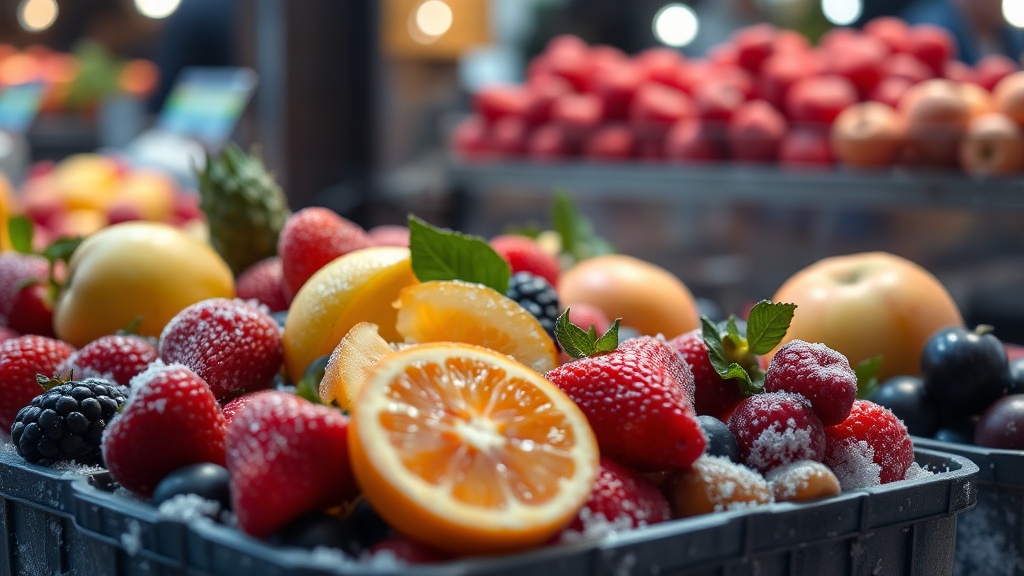
Why You Should Buy Frozen Fruits Instead of Fresh

Quick Tip
Frozen fruit is often picked at peak ripeness and is much more cost-effective than fresh produce that spoils quickly.
Why You Should Buy Frozen Fruits Instead of Fresh
Are you tired of throwing away half-empty containers of moldy strawberries or mushy blueberries every single week? If you are looking to optimize your grocery ROI, switching from the fresh produce aisle to the frozen aisle is one of the simplest mathematical wins you can make. This tip focuses on reducing "shrink"—the industry term for wasted inventory—within your own household budget by prioritizing shelf-stable nutrition.
The Math of Nutrient Density and Price Per Ounce
When you buy fresh fruit, you are often paying a premium for the logistics of transport and the high risk of spoilage. For example, a pint of organic raspberries at a store like Whole Foods or Kroger might cost $4.99 and last only three days before turning. In contrast, a 32-ounce bag of frozen wild blueberries often costs significantly less per ounce and can stay in your freezer for months.
From a forensic accounting perspective, the "true cost" of fresh fruit includes the percentage of the product you actually consume. If you buy $5.00 worth of spinach and toss half of it because it wilted, your actual cost per usable ounce just increased by 50%. Frozen fruit eliminates this variable entirely. Because the fruit is flash-frozen at peak ripeness, you are getting maximum nutrient density without the "spoilage tax."
Strategic Shopping Tactics
To maximize your savings, follow these three rules when shopping the frozen section:
- Check the Unit Price: Do not just look at the total price. Look at the small print on the shelf tag that shows the price per ounce or price per pound. This is the only way to ensure a large bag is actually a better deal than a small one.
- Avoid Added Sugars: Ensure the ingredient list only contains the fruit itself. Some brands add syrups to frozen fruit blends, which lowers the nutritional value and increases the cost.
- Buy Generic Store Brands: Brands like Great Value (Walmart) or Kirkland Signature (Costco) frequently offer the exact same frozen fruit as name brands but at a 20-30% lower price point.
By shifting your procurement strategy toward frozen goods, you are not just buying food; you are managing your household inventory more effectively. This prevents the cycle of unnecessary waste and ensures your grocery budget is spent on actual consumption rather than items destined for the trash bin. If you want to further optimize your pantry, check out these smart ways to slash your grocery bill to keep your overhead low.