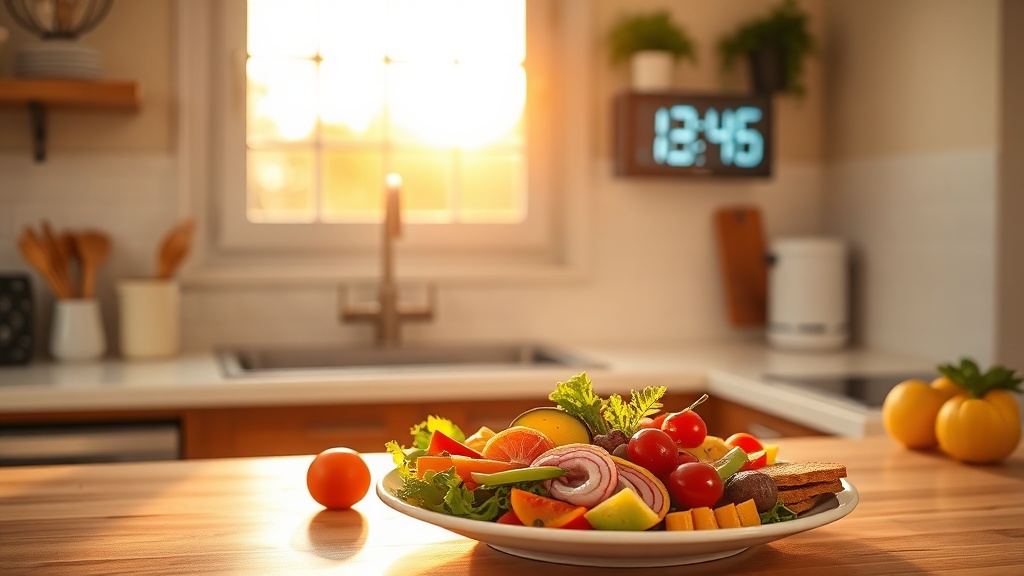
Embracing Bio-Harmony: Align Your Meals with Your Circadian Rhythm

Hook
Ever wonder why you feel sluggish after a late‑night snack or why your morning coffee never seems to kick in? The secret isn’t the brew—it’s your body’s internal clock. Bio‑harmony—matching what you eat to your circadian rhythm—can turn those groggy mornings into high‑energy starts and even shrink your grocery bill.
Why syncing meals matters in 2026
The science is crystal clear: our digestive enzymes, hormone release, and even insulin sensitivity follow a roughly 24‑hour cycle. When you eat out of sync, you waste calories, crank up cravings, and—yes—spend more on impulse buys. In 2026, health‑focused media are buzzing about “bio‑harmony” as the next age‑defying lifestyle trend. Below are the practical steps you can take today, without a PhD in chronobiology.
What is the circadian rhythm and how does it affect digestion?
Answer: Your circadian rhythm is the body’s internal time‑keeper, regulated by light exposure and hormone signals. It dictates when your stomach releases acid, when glucose tolerance peaks, and when the gut microbiome is most active. Studies from the National Institutes of Health (NIH) show that eating within your body’s natural “feeding window” can improve metabolism by up to 15%.
How can meal timing boost energy—and save money?
When you eat when your body is primed, you need less food to feel satisfied. That means fewer impulse grabs at the checkout. Aligning meals also reduces waste: foods bought for late‑night cravings often go uneaten. Pro tip: Track your grocery spend for a week before and after you shift meal times; you’ll likely see a $10‑$20 dip.
Breakfast at sunrise – What to eat?
Q: What should I eat for a sunrise‑aligned breakfast?
- Aim for protein‑rich foods (eggs, Greek yogurt) and complex carbs (oats, whole‑grain toast) within the first hour of daylight.
- Add a splash of fruit for natural sugars that sync with morning cortisol spikes.
- Internal link: If you love unit‑price math, see my Markdown Shopping 101 for the cheapest protein sources.
Light lunch, protein focus – How to keep the afternoon slump away?
- Keep lunch between 11 am–1 pm, when insulin sensitivity is still high.
- Choose lean proteins (chicken breast, beans) and a handful of veggies.
- Skip heavy carbs after 1 pm; they’ll linger in your system when melatonin rises.
Early dinner, avoid late‑night carbs – Why does it matter?
- Aim to finish dinner by 7 pm. Your body starts winding down digestion around 8 pm.
- Opt for a salad with healthy fats (olive oil, avocado) and a modest portion of protein.
- Internal link: My Loyalty Stack Math guide shows how to snag the best deals on fresh produce.
Snack timing for metabolism – What’s the sweet spot?
- If you need a snack, keep it between 3 pm–5 pm. A small handful of nuts or a piece of fruit works best.
- Avoid snacking after 8 pm; the body’s digestive enzymes slow down, leading to excess storage.
Simple audit: A one‑page spreadsheet to track your new schedule
- Open a blank sheet and label columns: Meal, Time, Foods, Energy Rating (1‑5).
- Log each meal for a week, noting the clock time.
- At the end of the week, total the Energy Rating. If you’re consistently below 3 after dinner, you’re eating too late.
- Use the price‑floor spreadsheet I built (see my App Stack Masterclass) to compare costs before and after the shift.
Common mistakes and how to avoid them
- Mistake: Eating “late‑night” because you’re busy. Fix: Prep a light, protein‑rich snack (cottage cheese + berries) before 8 pm.
- Mistake: Ignoring daylight exposure. Fix: Open curtains or step outside for 10 minutes after breakfast to reinforce your clock.
- Mistake: Assuming one‑size‑fits‑all. Fix: Adjust the window by 30 minutes if you work night shifts—still keep a consistent pattern.
Takeaway
Bio‑harmony isn’t a fad; it’s a science‑backed way to get more bang for your buck and your breakfast. Start by shifting your first meal to sunrise, finish dinner by 7 pm, and use a simple spreadsheet to see the impact on energy and grocery spend. Give it a week—track, tweak, and you’ll likely notice better focus, fewer cravings, and a slimmer checkout total.
Related Reading
- Spring Produce Timing: Buy Asparagus Now, Strawberries Later – Timing your produce buys for peak freshness.
- The Store Brand Audit – How to audit unit prices for maximum savings.
- The App Stack Masterclass – My go‑to apps for tracking deals and meals.
<meta.faqs>
[
{"question": "What is bio‑harmony?", "answer": "Bio‑harmony is the practice of aligning your eating patterns with your body’s natural circadian rhythm to improve metabolism and energy levels."},
{"question": "How do I start syncing meals with my body clock?", "answer": "Begin by eating breakfast within the first hour of daylight, finish dinner by 7 pm, and keep snacks between 3‑5 pm. Track times in a simple spreadsheet for a week."},
{"question": "Can I still eat out while practicing bio‑harmony?", "answer": "Yes—choose restaurants that serve lighter, protein‑focused meals early in the evening and avoid late‑night carbs."}
]
</meta.faqs>